
Soft Magnetic Composite vs Laminated Steel Core: Which to Choose
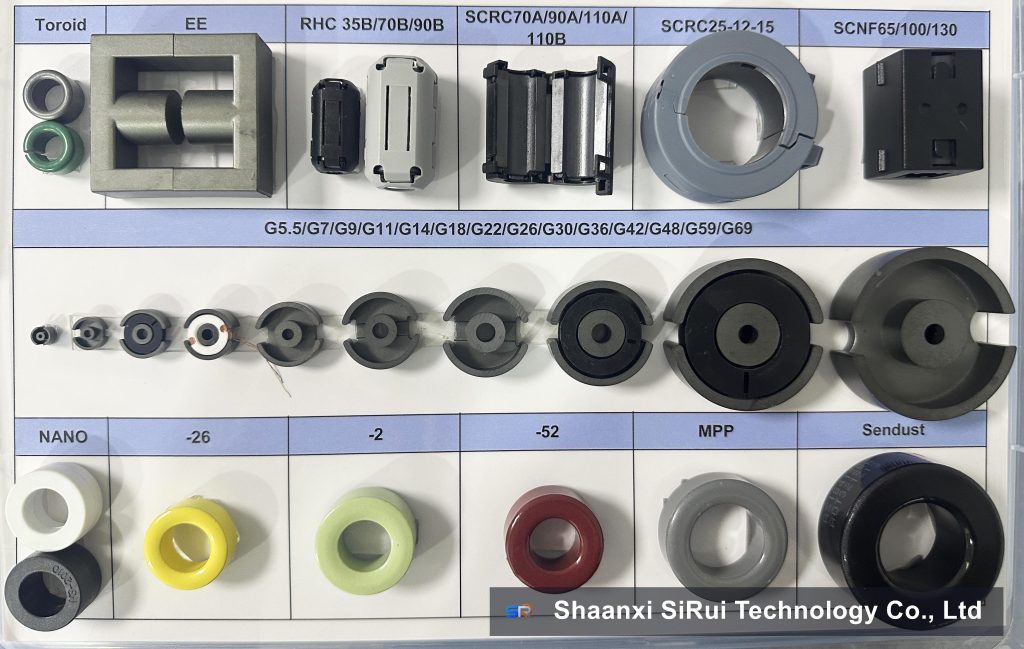
Two technologies compete for the same job in modern power electronics: laminated electrical steel, the incumbent for a century, and soft magnetic composite (SMC), a pressed iron-po
Hipot and Partial Discharge Testing for Isolation Transformers
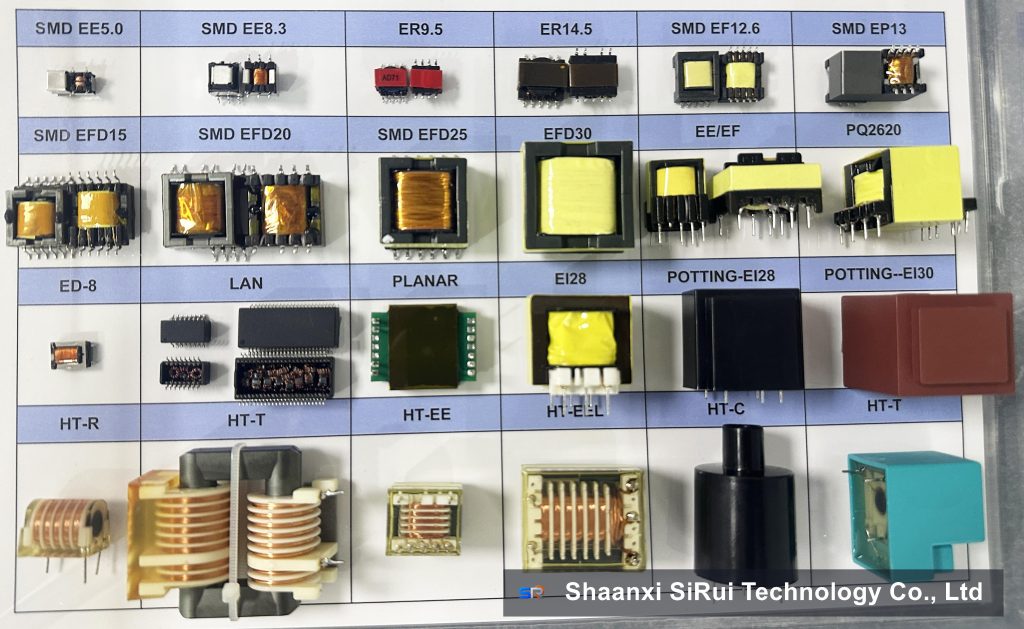
Hipot passes and the unit still fails in the field two years later. That pattern is almost always partial discharge: a void inside the insulation that withstands the short hipot te
Potting, Varnish and Impregnation for Magnetic Components: Design and Process Guide
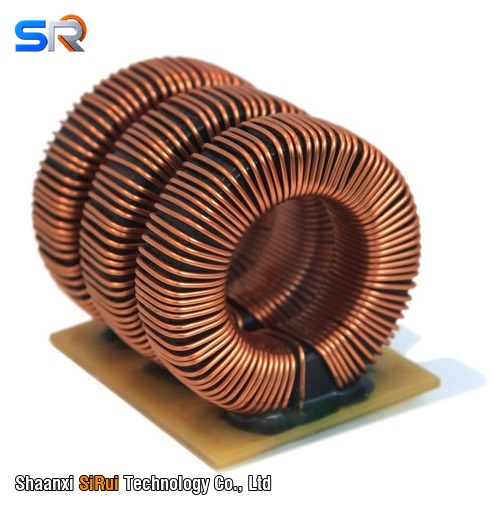
Two identical wound cores, one potted and one varnished, can differ by 15 K in hot-spot temperature and by a factor of three in humidity life. The encapsulation step looks like a f
Core Loss vs Copper Loss: Optimizing the Loss Balance in Magnetic Design
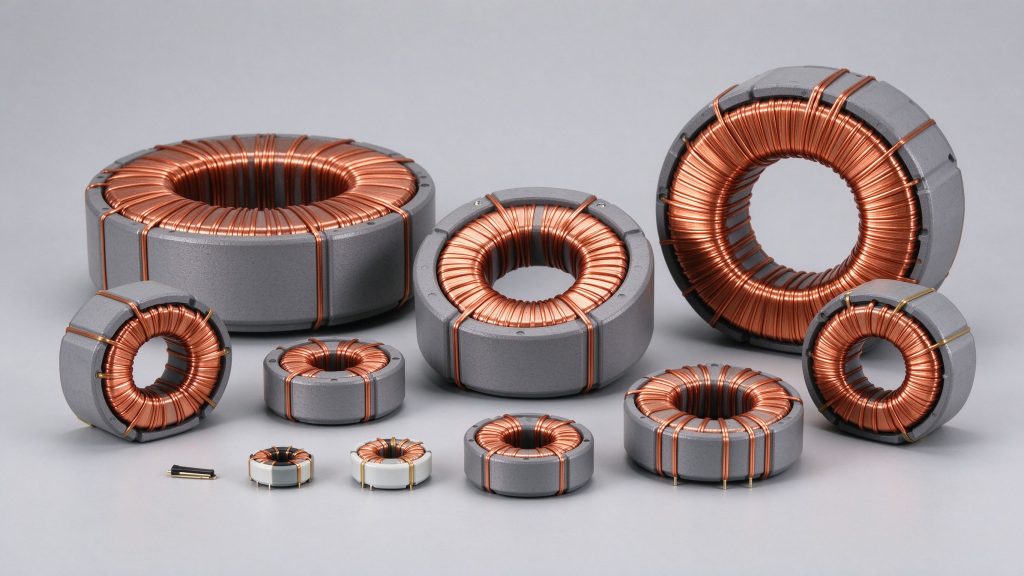
Every magnetic design is a negotiation between two loss mechanisms that move in opposite directions. Make the core bigger and core loss falls while copper loss falls too — but cost
How to Read a Magnetic Core Datasheet: AL Value, Bsat, Permeability and Tolerance
A core datasheet contains six numbers that decide whether a design works: AL value, saturation flux density, permeability and its tolerance, core loss at a stated frequency and flu
Inverter Welding Machine Magnetics: Transformer, Output Choke and CMC Design
An inverter welding machine is a constant-current power supply that must strike an arc, hold it through a short circuit, and survive being dropped on a workshop floor. The transfor
Telecom Base Station Power Magnetics: Ruggedized Inductors and Transformers
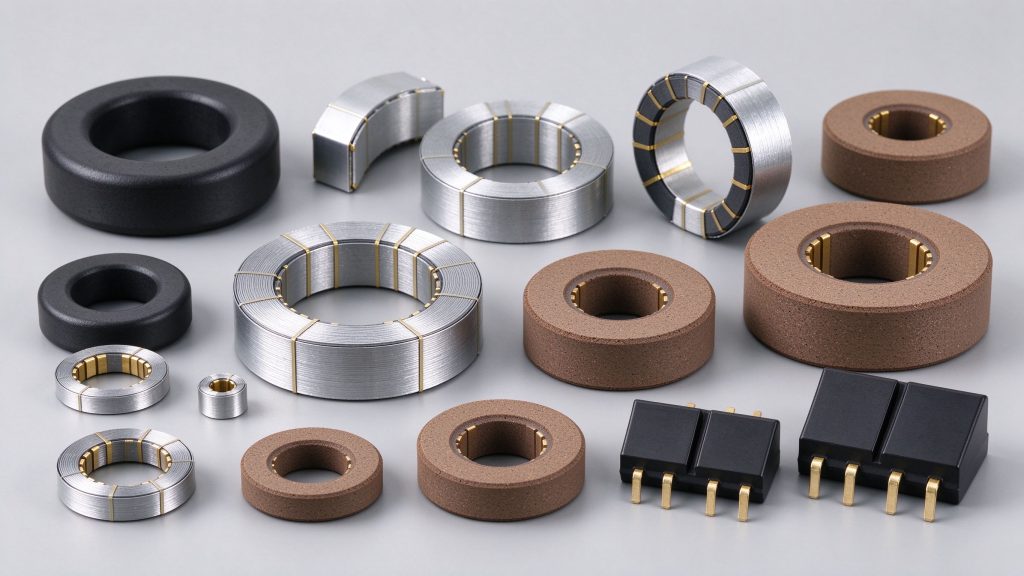
Telecom power is a hostile environment for magnetic components: −40 °C to +75 °C ambient, 4,000 m altitude derating, lightning surges on the input, salt fog at coastal sites, and a
LED Driver Magnetics Design: Inductors and Transformers for Lighting
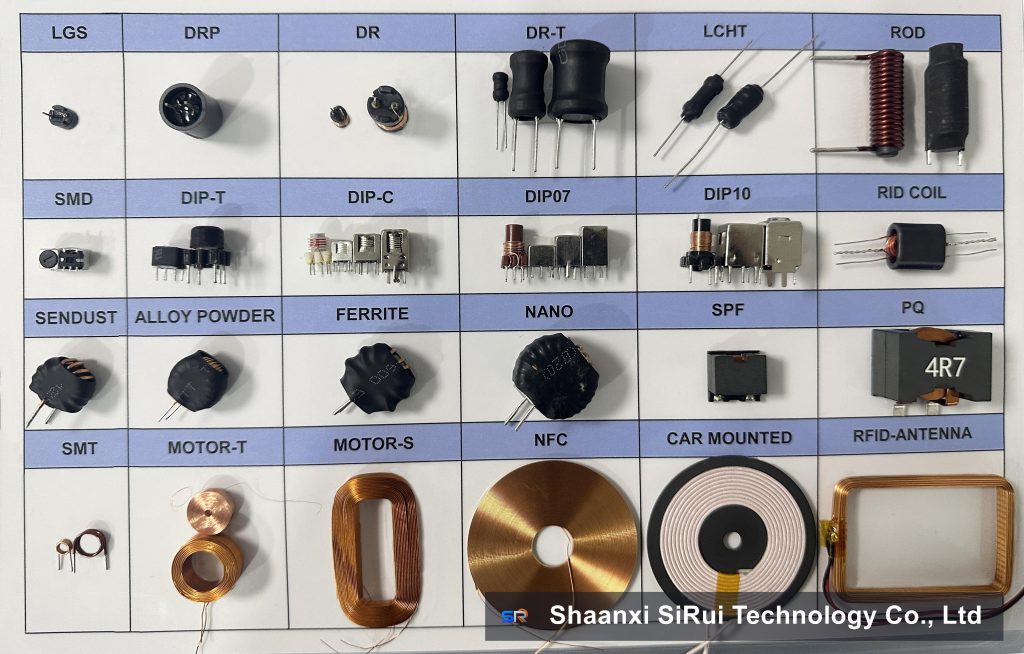
An LED driver is a constant-current source wrapped around a magnetic component, and the magnetics decide three things at once: efficiency, flicker, and whether the product passes E
Data Center Server PSU Magnetics: Inductors and Transformers for 80 PLUS Titanium
Server power supplies have moved from 500 W silver-box units to 3–5.5 kW titanium-class modules feeding 48 V or 12 V rails in dense racks. The switching stage did not change much;
What Drives Magnetic Core Costs — and Eight Levers to Cut Them
Magnetic components are rarely the most expensive line on a bill of materials, but they are one of the easiest places to lose margin — and one of the hardest places to cut cost saf