
Custom Magnetic Components: The OEM Development Process from RFQ to Mass Production
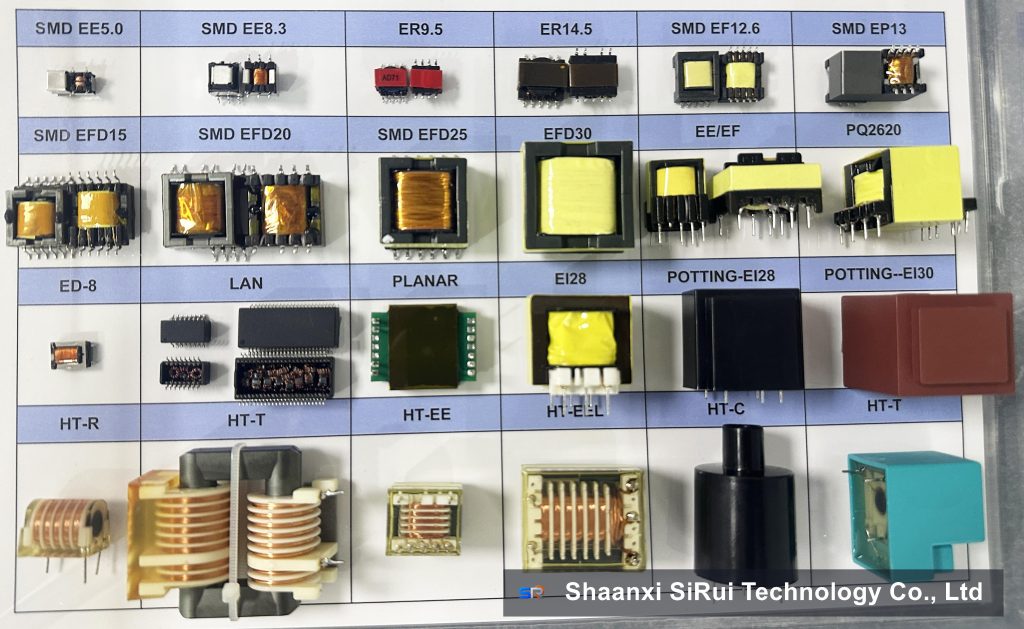
A custom transformer or inductor is not a catalogue item with a different label — it is a joint development project with its own gates, deliverables and failure modes. The process
How to Source Magnetic Components from China: A Buyer’s Checklist
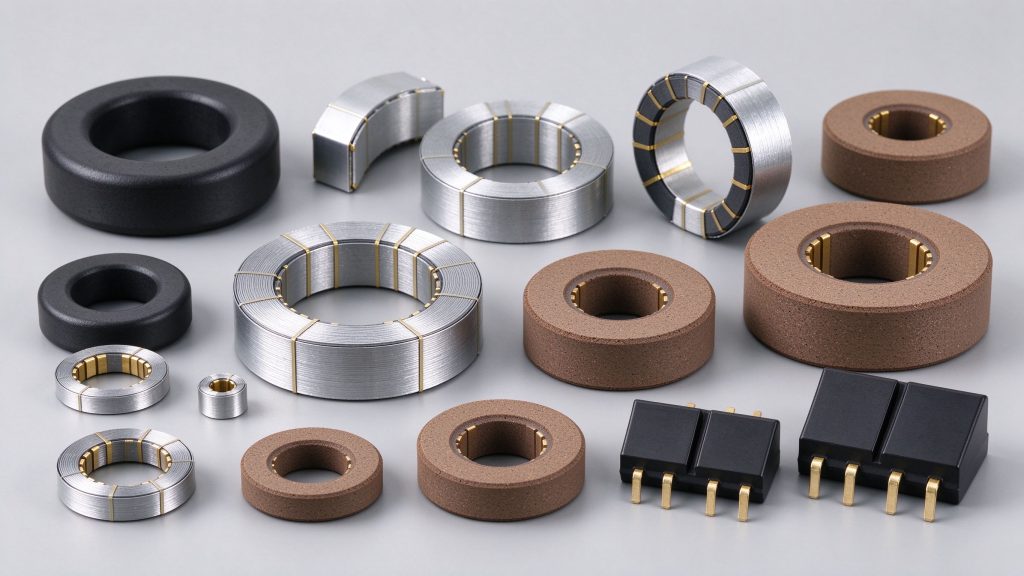
Sourcing magnetic components from China is routine for most power-electronics OEMs — yet the difference between a smooth program and an eighteen-month quality firefight usually com
Wireless Power Transfer Coil Design: Materials, Winding and Losses
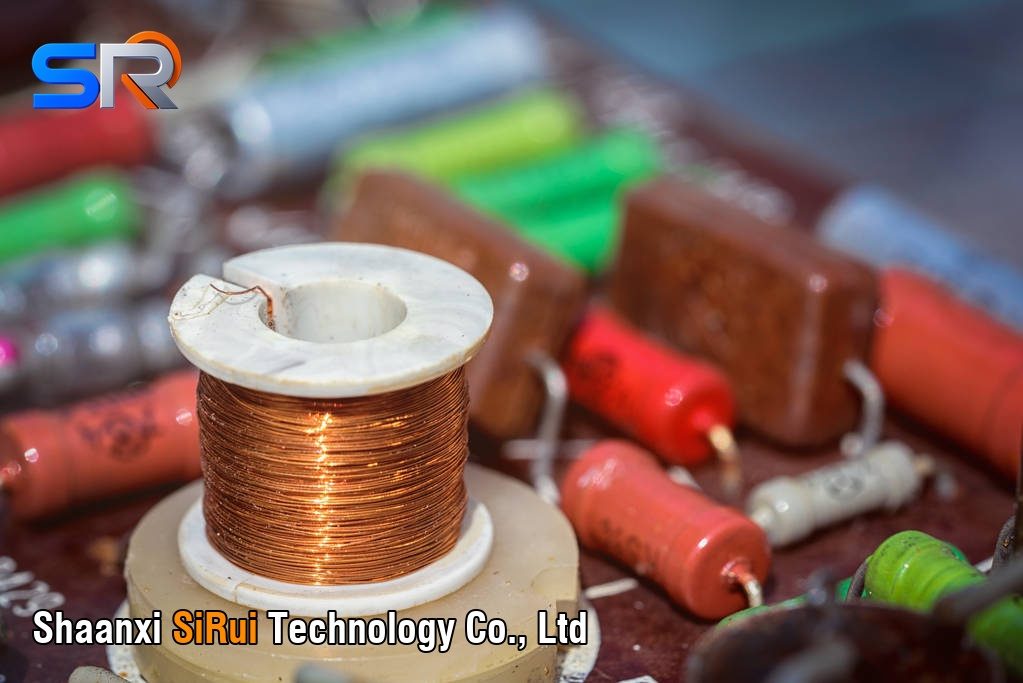
Coupling coefficient, quality factor, Litz and printed coil choices, ferrite tile shielding and the thermal loss budget for 15 W to 60 W wireless charging pads.
Automotive Grade Magnetic Components: AEC-Q200 and IATF 16949 Requirements
What AEC-Q200 stress testing actually requires, what Grade 0-3 temperature ranges mean for magnetics, which design choices determine pass or fail, and how PPAP fits in.
Transformer Inrush Current: Causes, Calculation and Mitigation
Why transformers draw 8-20x rated current at switch-on, how to estimate the peak, which mitigation methods actually work, and how to coordinate protection without nuisance trips.
UPS and Energy Storage Transformer Design Guide
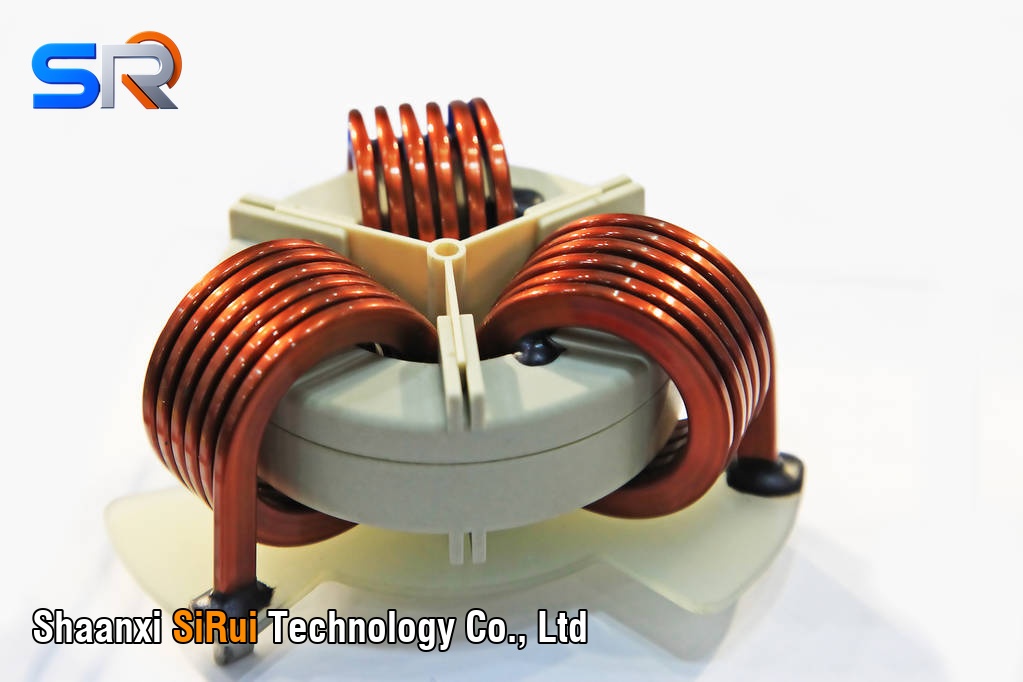
No-load and part-load efficiency, inrush, harmonic and DC bias tolerance, acoustic noise and bidirectional considerations for UPS and battery energy storage magnetics.
Current Transformer Burden Resistor: Calculation and Selection Guide
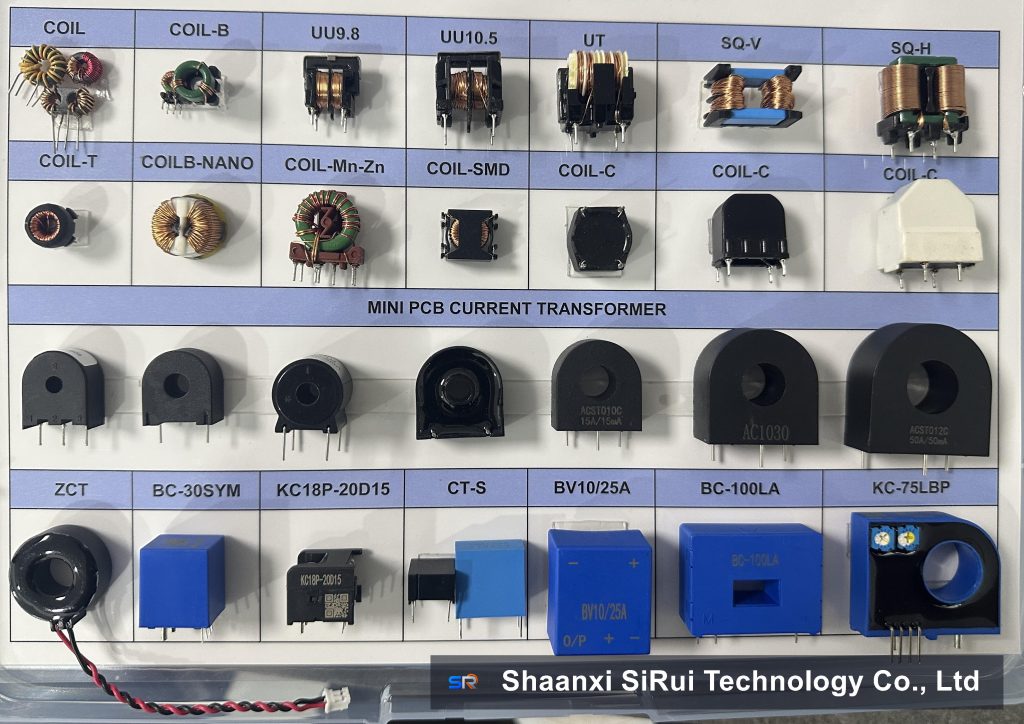
Step-by-step burden resistor calculation for current transformers, the accuracy and saturation trade-offs, power rating rules and a design checklist for energy metering and motor drives.
Creepage and Clearance Design for Transformers and Inductors
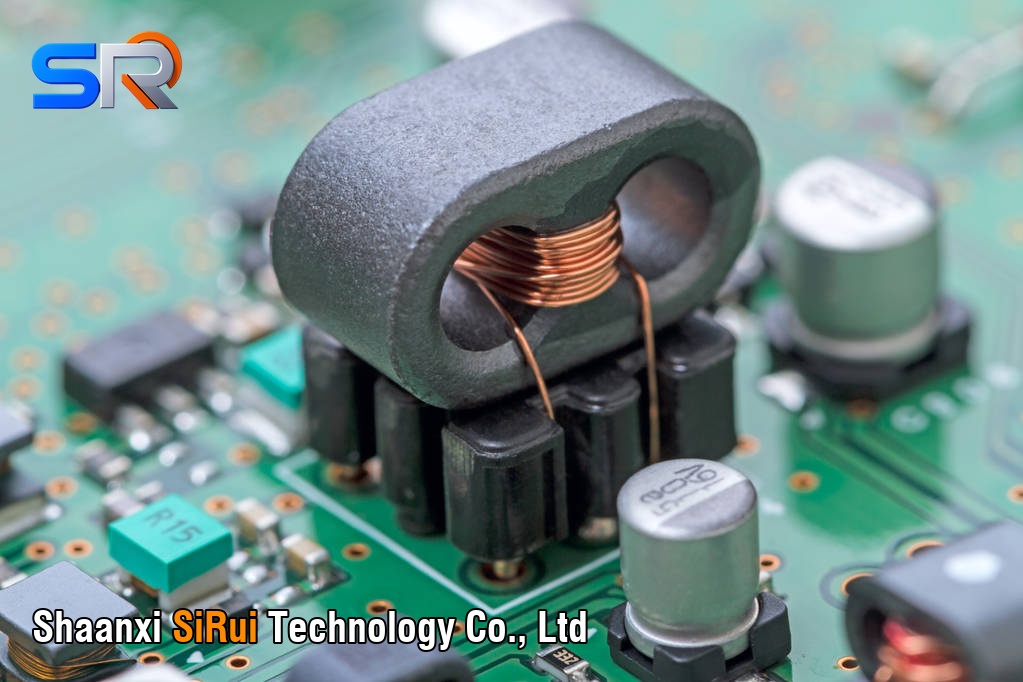
How creepage and clearance requirements are derived for reinforced insulation, the construction techniques that meet them, and the failure points that block safety certification.
Transformer Insulation Class and Temperature Rise: Class A, B, F and H Explained
IEC 60085 insulation classes, hot-spot temperature budgets, the Arrhenius life rule and how to choose class B, F or H without over-engineering the design.
Air Gap Design for Inductors and Transformers: How to Calculate and Control It
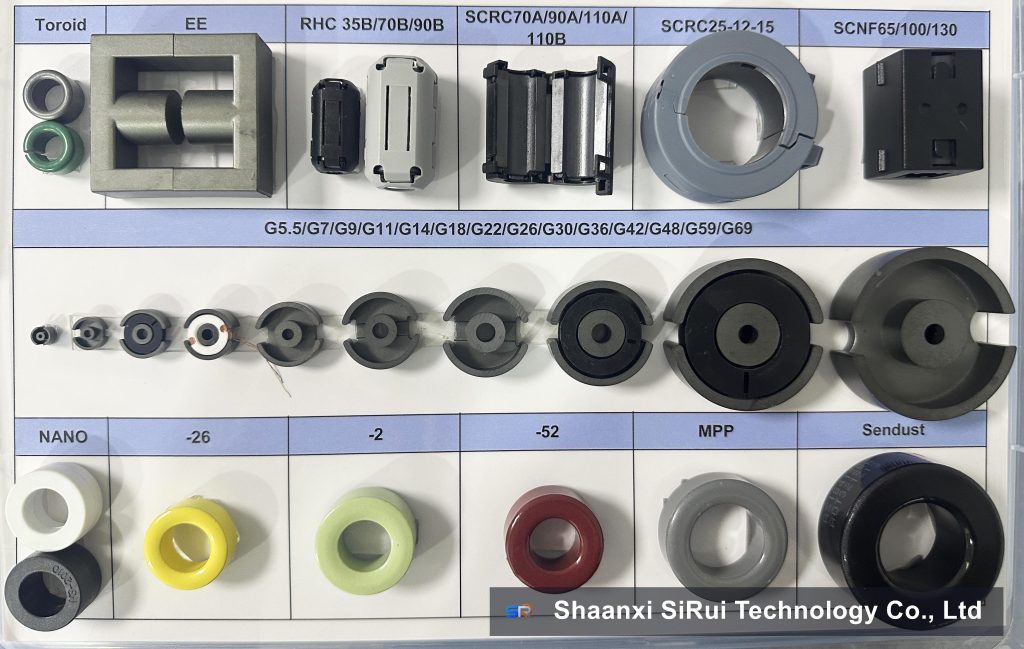
How air gaps store energy, how to calculate gap length for a target inductance, how fringing flux affects copper loss, and the practical rules for gapped ferrite and distributed-gap powder cores.