
Ferrite Core Transformer: Working Principle, Design & Selection Guide
Ferrite core transformers are the backbone of modern high-frequency power electronics. From flyback converters in chargers to isolation transformers in industrial control systems, ferrite cores deliver high permeability with extremely low losses at switching frequencies. This guide explains how ferrite core transformers work, the key parameters that define their performance, and how to select the […]
Toroidal Inductor: How It Works, Key Specs & Selection Tips
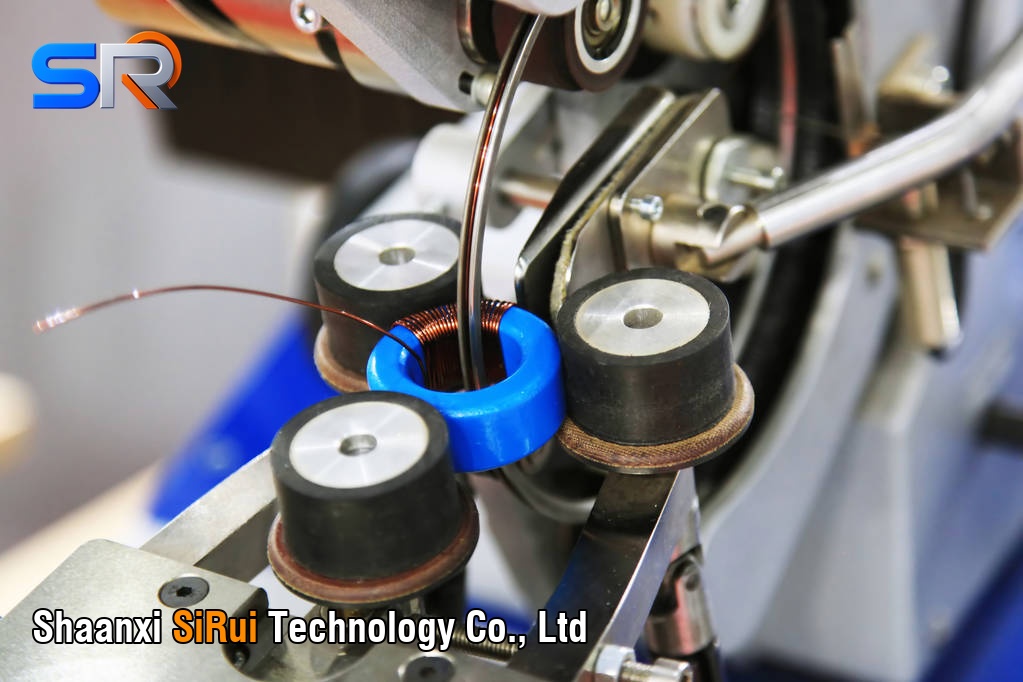
Toroidal inductors are a staple of power electronics because they pack high inductance into a compact, low-radiation package. Their ring-shaped core confines the magnetic field inside the winding, which cuts electromagnetic interference and makes them a first choice for power supplies, audio equipment, and EMI-sensitive circuits. This guide explains how toroidal inductors work, the specifications […]
Planar Transformer: Working Principle, Design Advantages & Applications
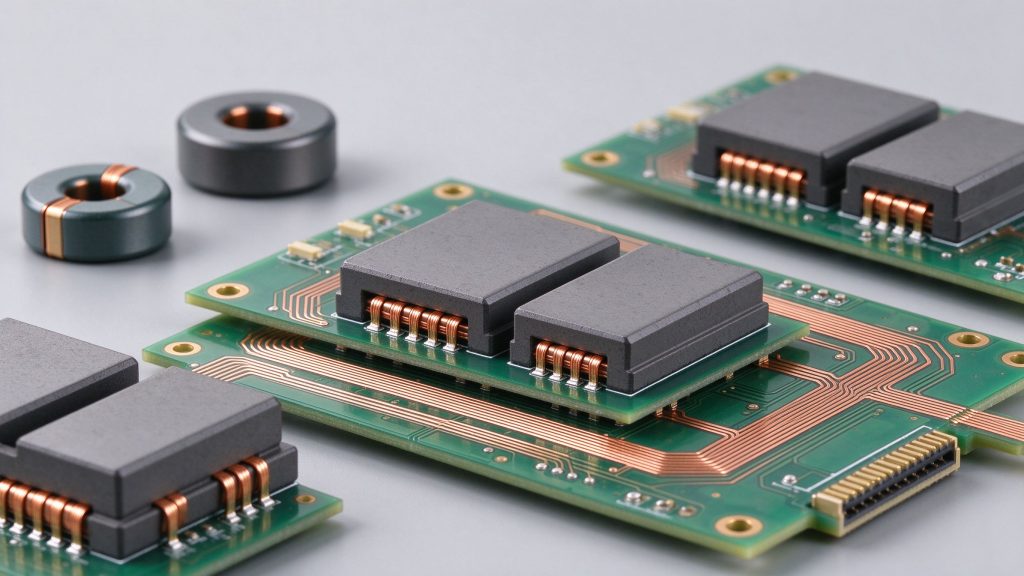
Planar transformers are reshaping high-density power conversion. With a low-profile core and PCB-based flat windings, they deliver excellent thermal performance, predictable leakage inductance, and repeatable parasitics that traditional wire-wound transformers cannot match. This guide explains how planar transformers work, why designers choose them, and how to specify one for your OEM or ODM power project. […]
Flyback Transformer: Working Principle, Design Considerations & Selection Guide
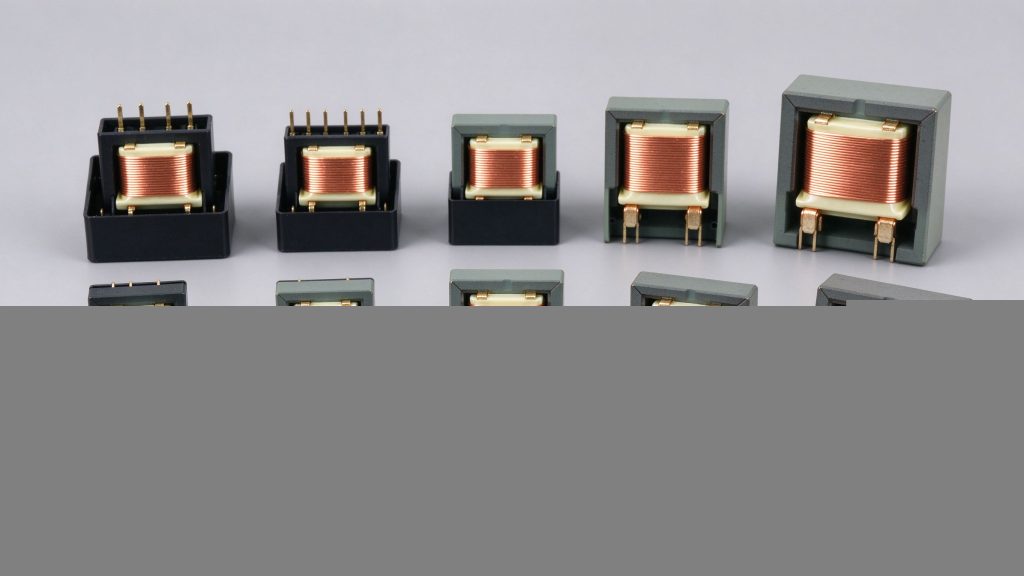
What Is a Flyback Transformer? A flyback transformer is the core magnetic component of the flyback converter — one of the most widely used topologies in low-to-medium power switch mode power supplies (SMPS). Unlike a conventional transformer, it operates more like a coupled inductor: energy is stored in the air gap during the switch-on period […]
Split Core Current Transformer: How It Works, Key Specs & Installation Guide
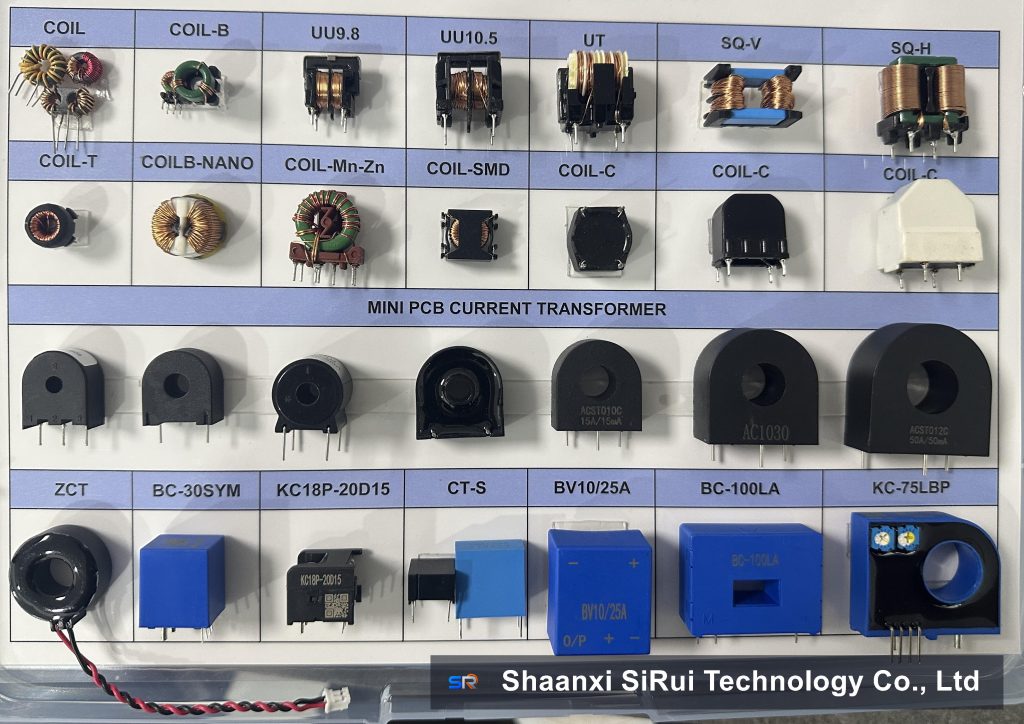
What Is a Split Core Current Transformer? A split core current transformer (also called a split-core CT, clamp-on CT or hinged current transformer) is a current transformer whose magnetic core can be opened and closed around a conductor, so it can be installed without disconnecting the cable or de-energizing the circuit. It is the preferred […]
Zero Sequence Current Transformer: Working Principle, Specs & Selection Guide
What Is a Zero Sequence Current Transformer? A zero sequence current transformer (ZSCT) — also called a residual current transformer, zero phase current transformer or earth leakage current transformer — detects unbalanced (residual) current in three-phase and single-phase systems. When the three phase conductors (and neutral, where present) are passed together through its core, the […]
Mini PCB Current Transformers: How They Work, Key Specs & Selection Guide
Mini PCB current transformers are compact, low-cost components used to measure alternating current in electronic circuits without breaking the circuit. They are widely used in energy meters, power monitoring, protection circuits and smart devices. This guide explains how PCB current transformers work, their key specifications, and how to select the right one. What Is a […]
Common Mode Choke: Working Principle, Key Parameters & How to Choose the Right One
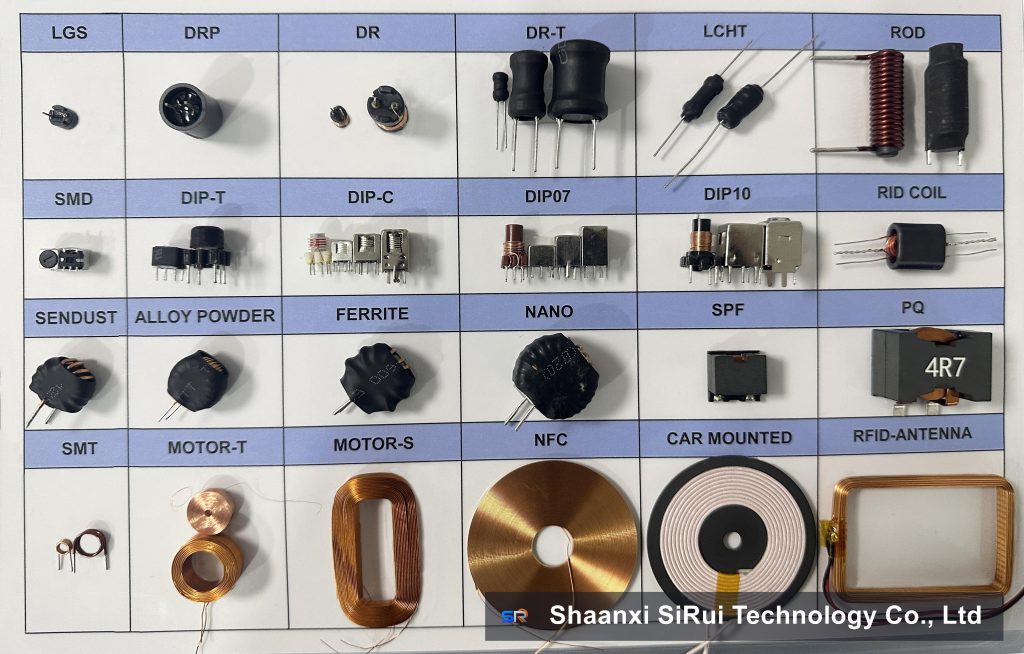
Common mode chokes (CMCs) are one of the most effective components for suppressing electromagnetic interference (EMI) in power electronics. They filter common mode noise on input and output lines while allowing the desired differential signal to pass. This article explains how common mode chokes work, what parameters matter, and how to choose the right one […]
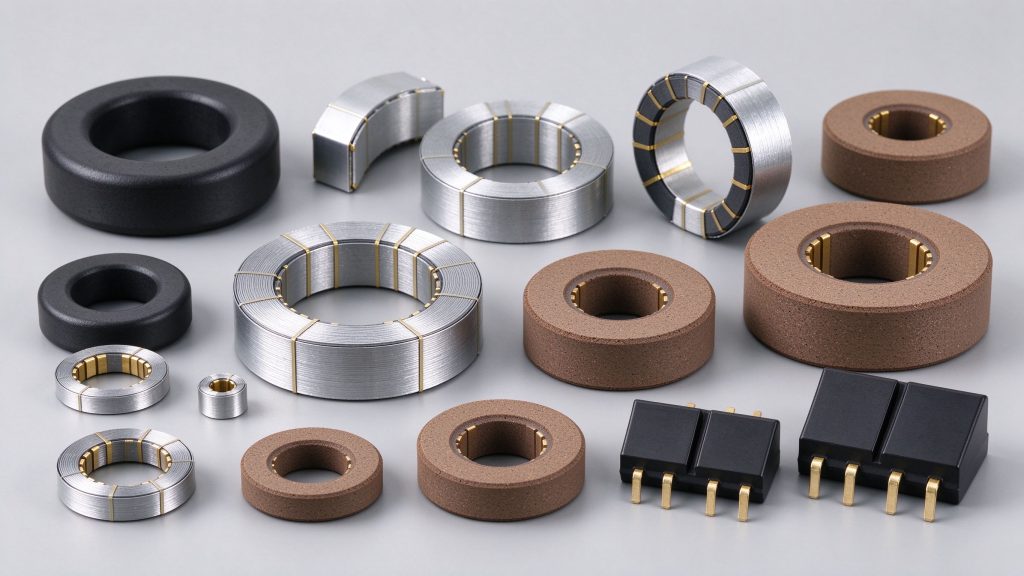
Transformer Core Materials: Ferrite, Iron Powder, Sendust, MPP & Nanocrystalline – A Complete Selection Guide
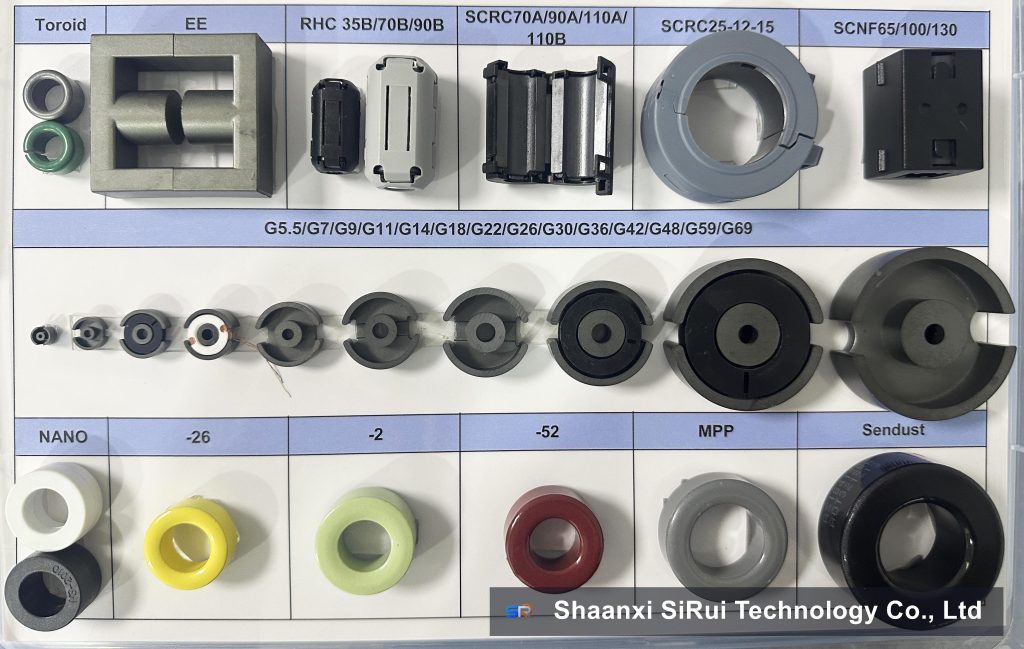
Choosing the right transformer core material is one of the most important decisions in magnetic component design. It directly affects efficiency, size, temperature rise, cost, and the operating frequency range of your transformer, inductor, or choke. This guide compares the most common magnetic core materials — ferrite, iron powder, sendust, MPP, amorphous and nanocrystalline — […]
Hall Effect Sensor vs. Shunt Resistor vs. Current Transformer: How to Choose the Right Current Sensing Method
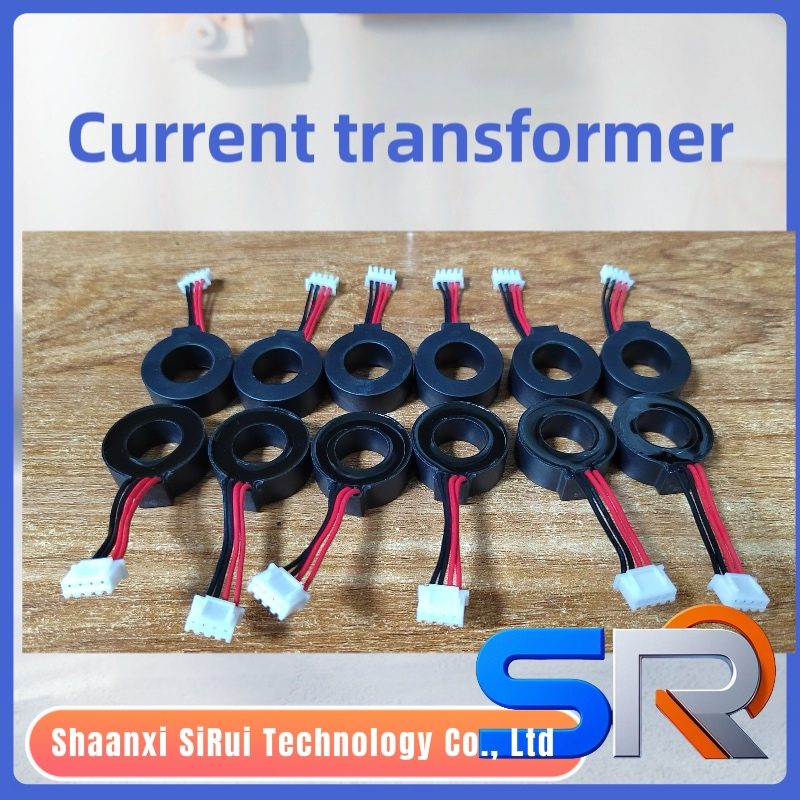
— Current sensing is one of the most common measurement tasks in power electronics, yet there is no single best method. Shunt resistors, current transformers and Hall effect sensors each measure current in a different way, and each has a completely different profile of cost, accuracy, isolation and bandwidth. Choosing the wrong method means either […]